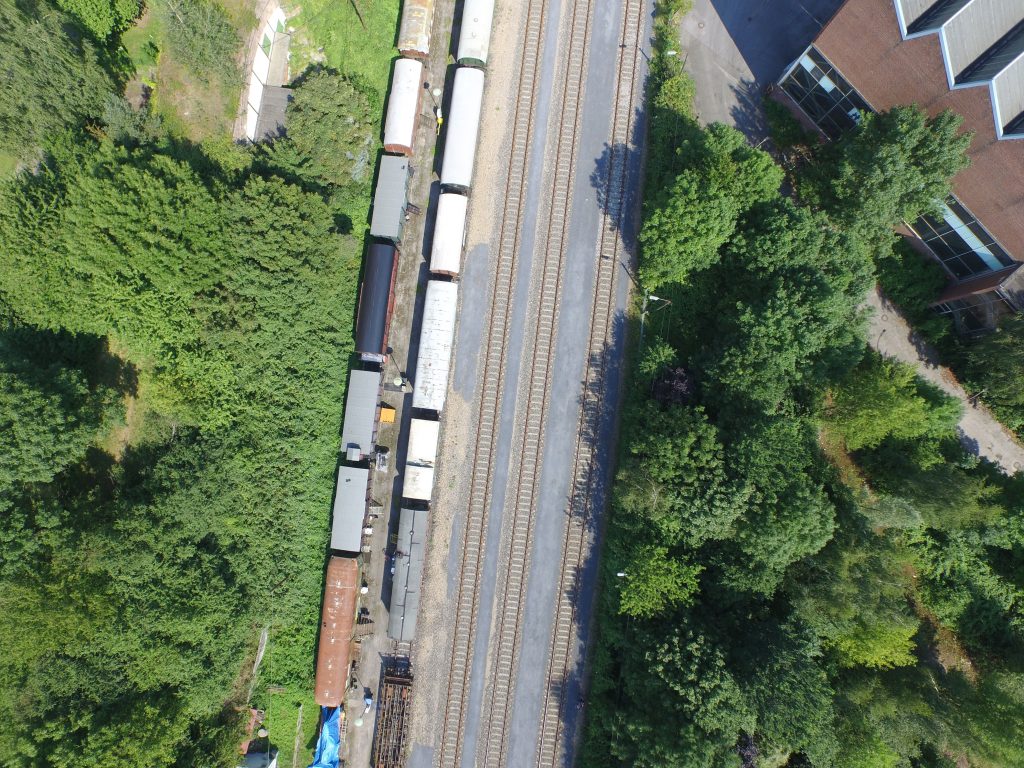
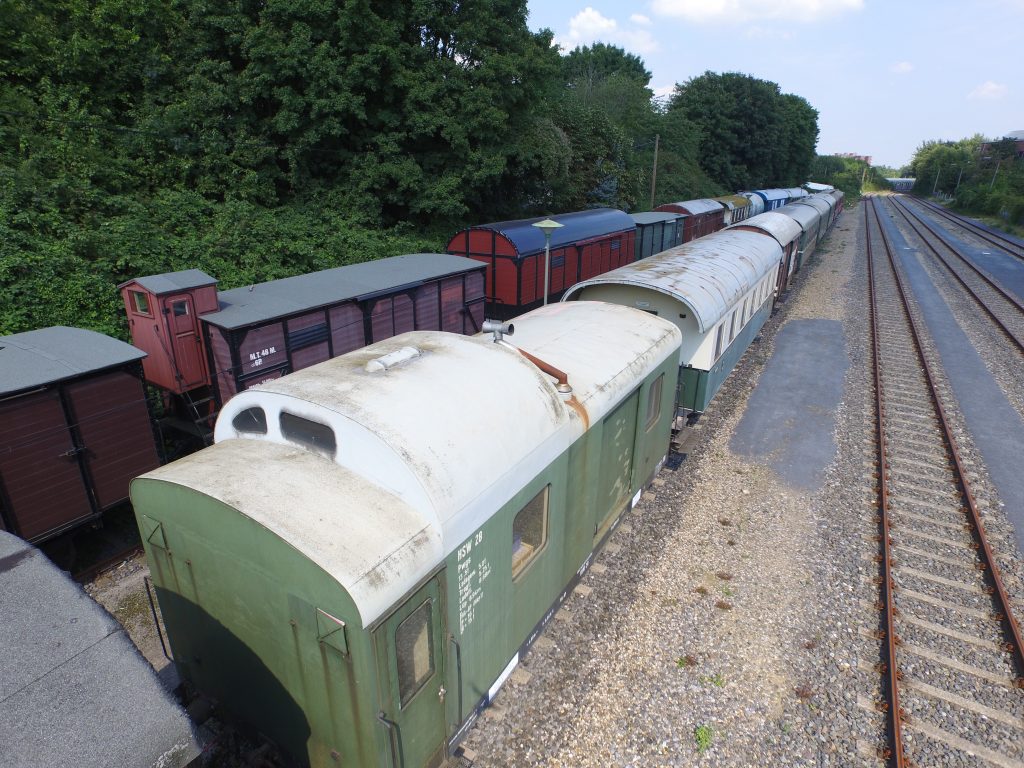
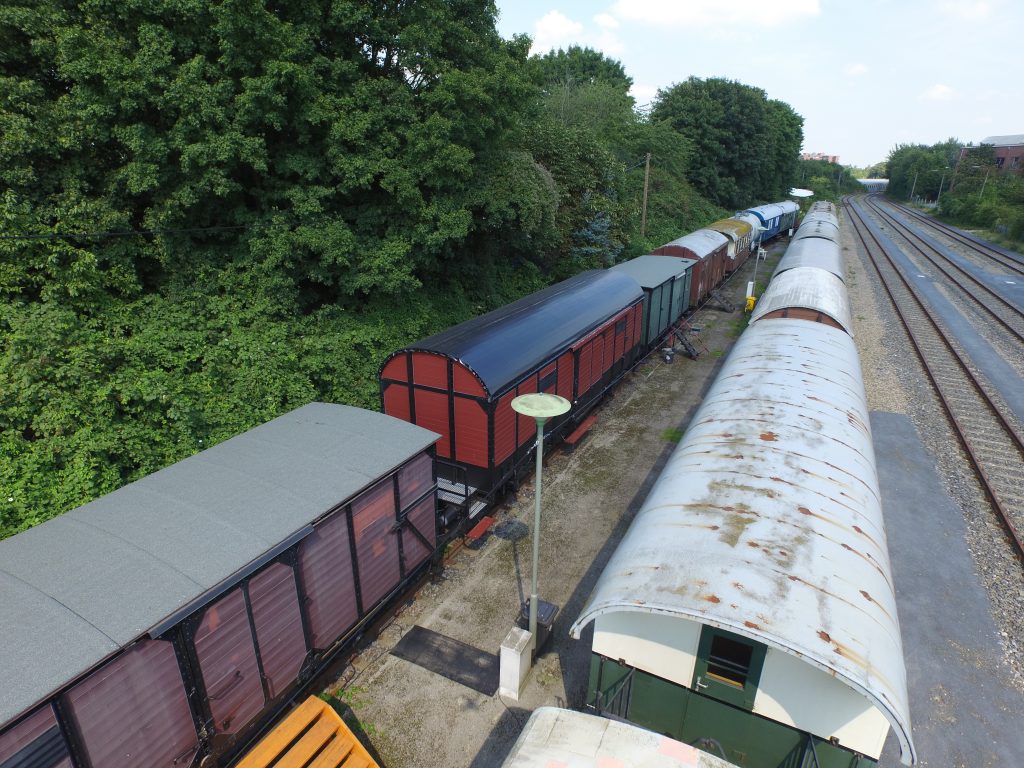
For more than a quarter of a century, Historischer Schienenverkehr Wesel was at home in Wesel station. When the railway there was extensively rebuilt in the early 2000s, the association’s very existence was at stake – and in the end it found a new site that is more than a replacement: the Römerwardt.
The story at a glance
- 1979First attempts to gain a foothold at the Stadtwerke Wesel exchange sidings.
- 1983Move to Wesel station – the start of 26 years at home there.
- 1985First DB plans for a tunnel under the station.
- 1999‘Bahnhöfe 2000’ in North Rhine-Westphalia – the search for a new home begins.
- 2004The tunnel plans take shape. Mayor Ulrike Westkamp makes the HSW a top priority.
- 2006Visit by former minister Franz Josef Kniola on behalf of the NRW Foundation.
- 2007The NRW Foundation supports the project with €60,000.
- 2008Contracts signed – the Römerwardt becomes our new home.
A home at Wesel station
1979 – 2004
As early as 1979 we wanted to settle at the Stadtwerke Wesel exchange sidings. Part of the collection was already standing on track 4, which we rented from the town of Wesel. But the site was difficult to reach at the time.
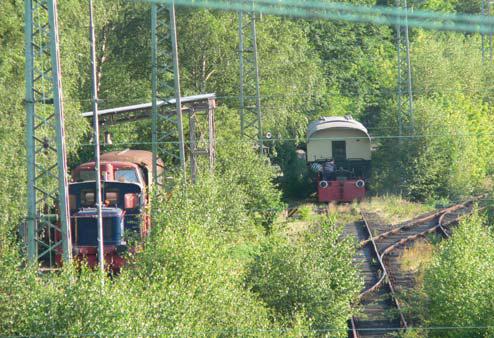
The then stationmaster Theo Klingenberger made us an offer that changed our plans fundamentally: we could keep our vehicles at Wesel station. We moved in 1983 – and stayed for more than 26 years. The station became our home.
As early as 1985 the then state-owned Deutsche Bundesbahn had plans to build a tunnel under the station. Railway privatisation and falling passenger numbers prevented them from being carried out – and we were able to stay at the station.
A question of survival
2004
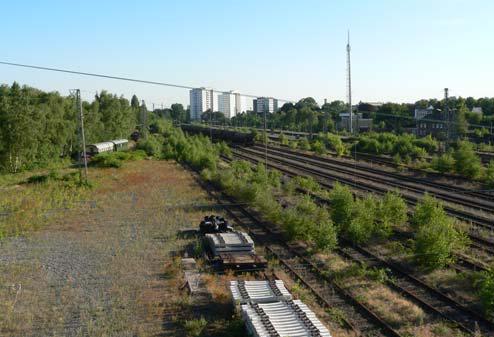
In 1999 the plans were revived. The ‘Bahnhöfe 2000’ project in North Rhine-Westphalia was to improve station surroundings and conditions for travellers. With our siding we stood in the way of these efforts.
We turned to the town of Wesel, the mayor and council members for help. At first, solutions around the station were still being considered – but then events overtook us. Staying at the station became impossible.
By 2004 the tunnel plans had finally taken shape. The fear of having to leave Wesel or give up altogether grew ever greater. Our survival was now seriously at stake.
A town lends a hand
2004 – 2007
In autumn 2004 Ulrike Westkamp was elected mayor of Wesel. After the very first talks she declared the HSW’s concerns a top priority. With the help of her team, the next steps were successfully taken.
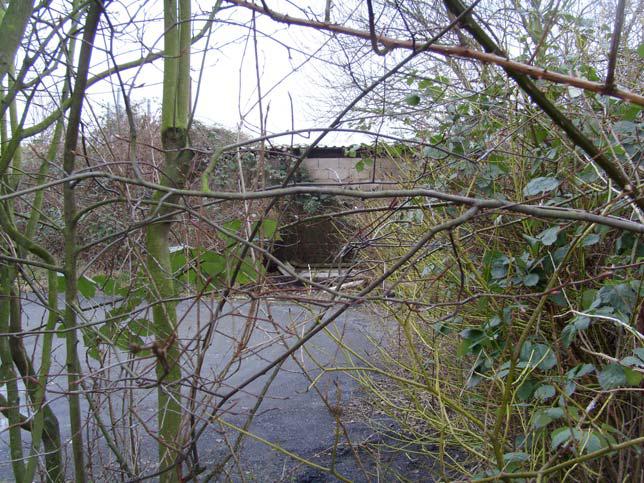
The Römerwardt site was chosen as the best solution. The Stadtwerke Wesel, on whose tracks we have run special trips since 1981, spontaneously offered their disused track 4. The town of Wesel agreed to provide the necessary land free of charge.
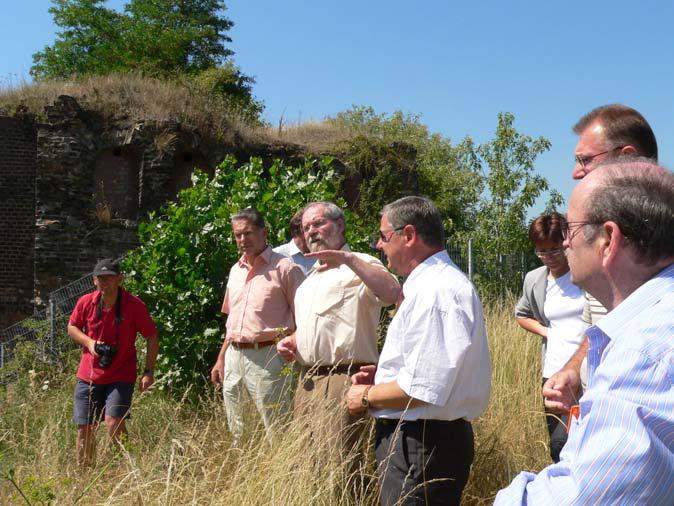
The new site on the grounds of the old shipyard railway offered good conditions for a permanent home – right next to the listed remains of the former railway bridge over the Rhine. A historically and touristically attractive spot.
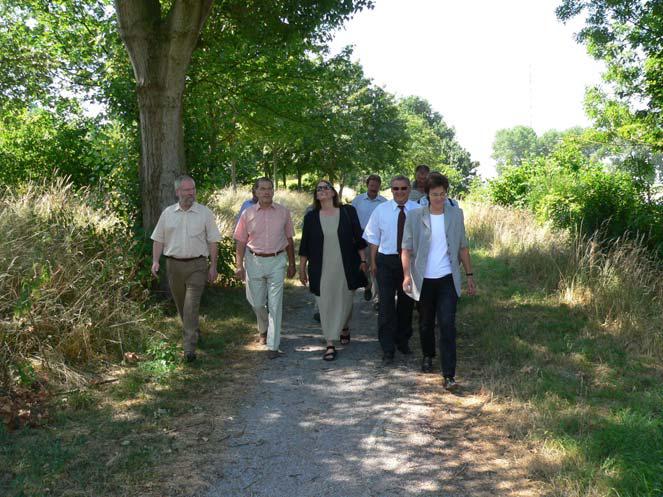
On 19 July 2006 former minister Franz Josef Kniola, president of the NRW Foundation, visited us in Wesel. He was impressed by the unity of administration, politics, sponsors and association – funding would be possible with a careful application, but not before the following year.
The road to a new home
2007 – 2008
The gravel companies Hülskens and Suhrborg pledged their help with the necessary earthworks. The construction firm Falkenhahn took up the tracks at the station. The ASG helped clear the overgrown site at the Römerwardt. Meanwhile, the association’s equipment moved into donated and purchased shipping containers.
On 26 March 2007 we read in the Rheinische Post: the NRW Foundation is supporting our project with €60,000. A month later, on 27 April 2007, we received the grant notice with all its conditions.
The road was not without obstacles. Initial checks showed that the town of Wesel could not sign the contract in its existing form. On 28 October 2007 a clarifying meeting between the NRW Foundation, the town of Wesel and the HSW took place – and a solution was found.
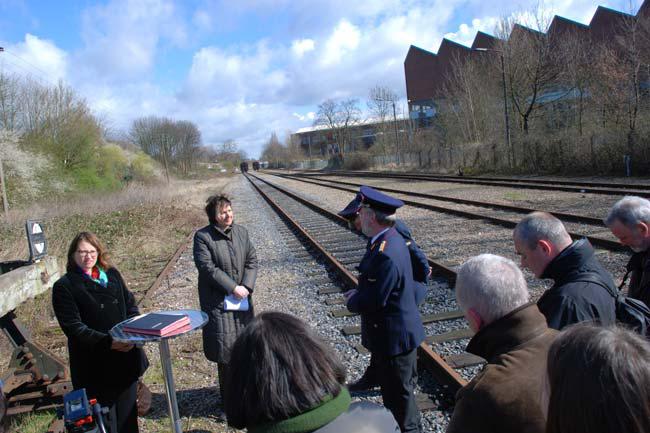
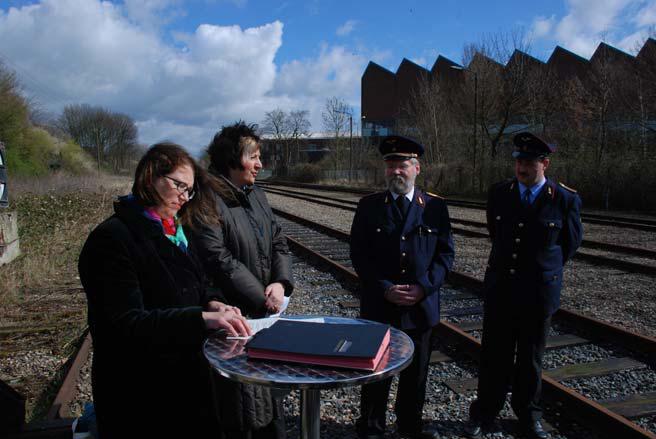
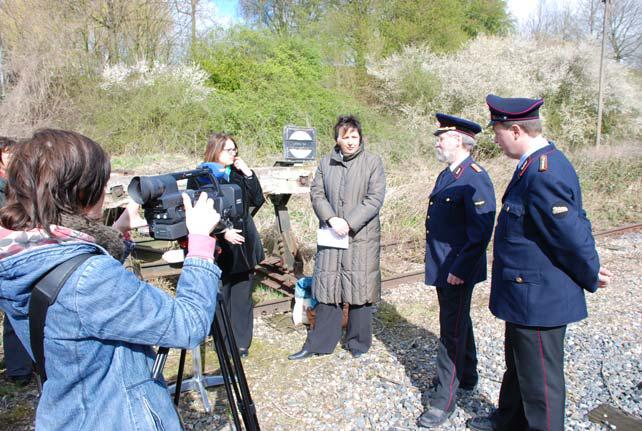
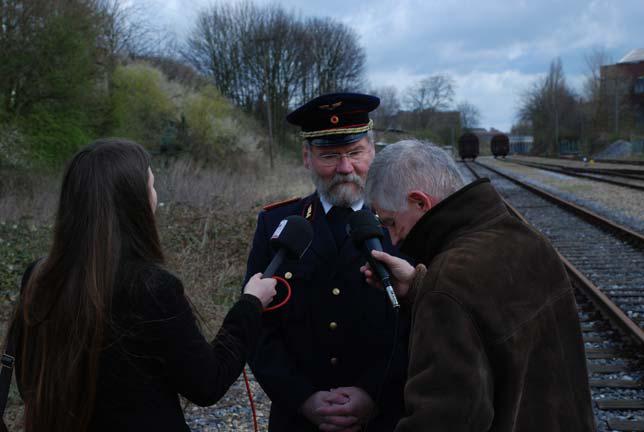
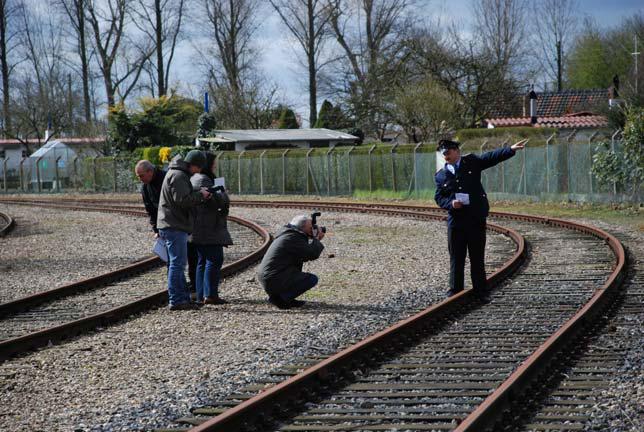
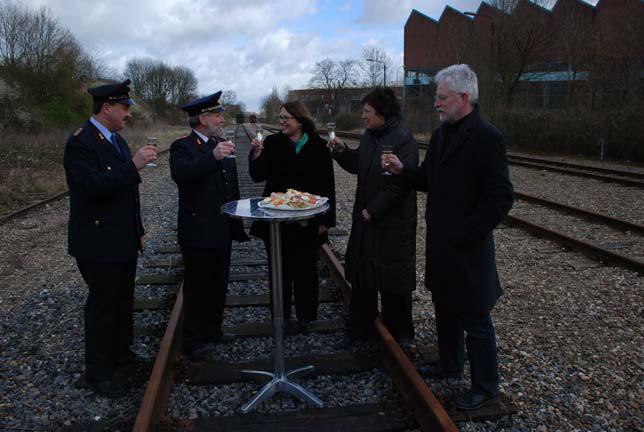
On 25 March 2008 the time had finally come: the contracts were signed on site – in the presence of the press, television and community radio.
For the NRW Foundation: managing director Martina Grote
For the town of Wesel: Mayor Ulrike Westkamp with Michael Klessa
For the HSW: chairman Klaus Kaitna
Today
Today the Römerwardt is our home – a place steeped in history where our historic vehicles have found their place. What began as a threat to our existence has become a fresh start.
This fresh start would not have been possible without the commitment of many: the town of Wesel and its mayor Ulrike Westkamp, the NRW Foundation, the Stadtwerke Wesel, the companies Hülskens, Suhrborg, Falkenhahn and the ASG, the press, local politicians – and the many volunteers of the HSW. Our thanks go to all of them.